Macroecology & predictive modelling
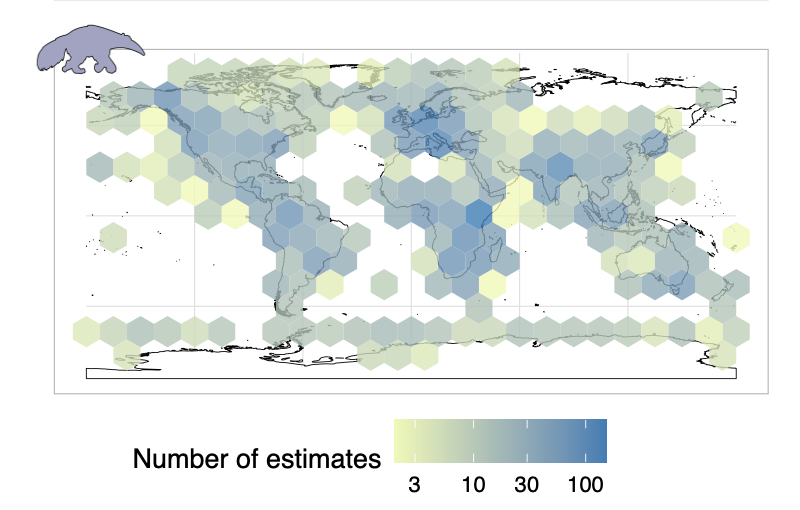
A major focus of our research is understanding macroecological patterns of vertebrate abundance across space, taxa and environmental gradients. We are particularly interested in population density: what drives it, how it scales with life-history traits and habitat characteristics, and how it can be predicted for data-poor species and regions. We develop and maintain TetraDENSITY, a global georeferenced database of population density estimates for tetrapod species, which underpins much of this work and is openly available for the research community. Our modelling approaches combine trait-based and macroecological frameworks to generate density predictions across all vertebrate groups, with direct applications in wildlife management and conservation planning.
Conservation science & automated assessments

Our conservation research focuses on large-scale biodiversity assessments and on the development of tools that reduce dependency on costly species-by-species data collection. A key project in this area is sRedList, which aims to automate and scale IUCN Red List assessments by integrating macroecological principles and machine learning to rapidly flag species likely to be threatened. We have also worked extensively on protected area coverage and connectivity, biodiversity indicators, and trend projections under future scenarios, with a consistent emphasis on making methods transferable and reproducible.
Urban ecology
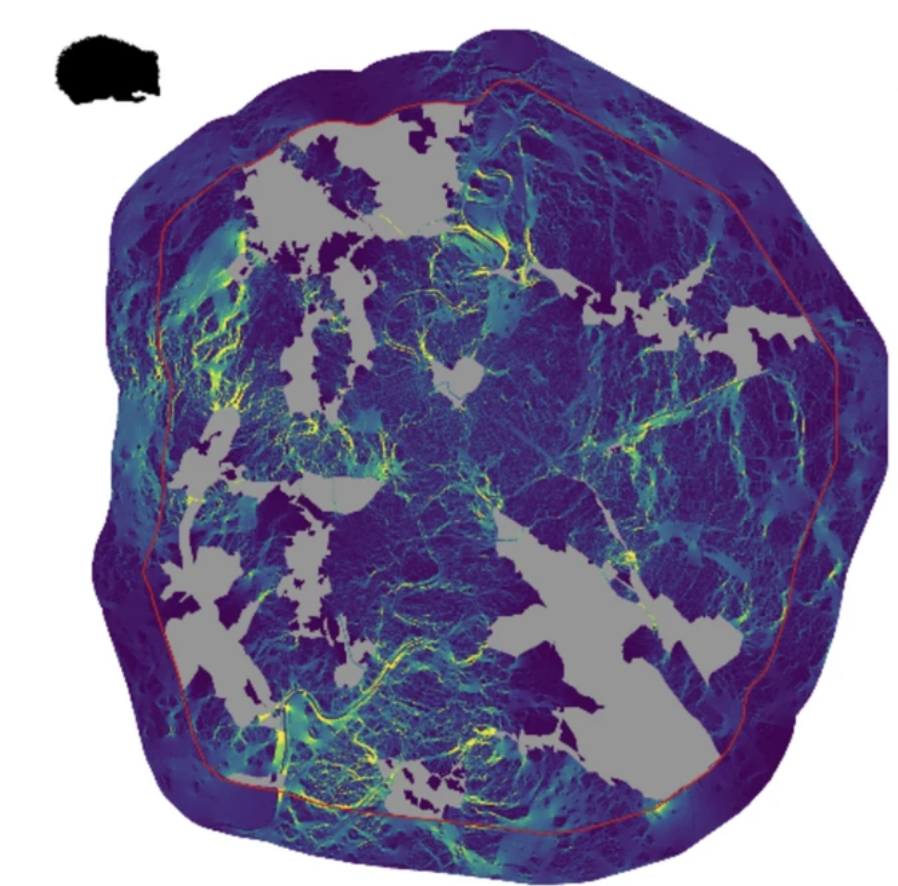
Cities are increasingly relevant arenas for biodiversity research and conservation. We investigate how biodiversity is structured in urban green spaces, focusing on the direct and indirect drivers that shape species communities and ecosystem services. We are interested both in fundamental questions about how species adapt to urban environments and in practical implications for urban planning and green infrastructure design.
Non-invasive monitoring
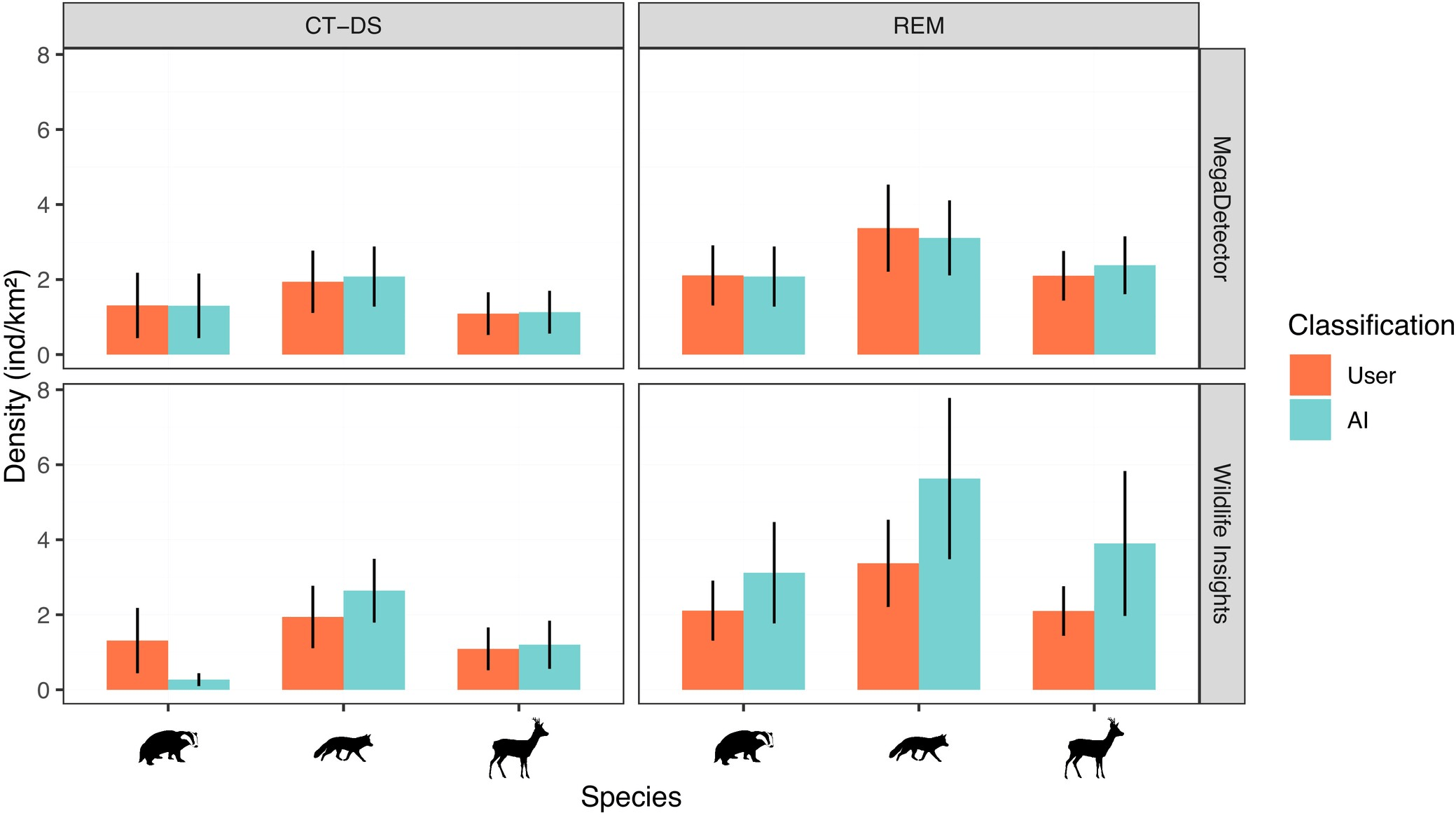
We increasingly work with passive monitoring technologies, camera traps and acoustic recorders, to collect biodiversity data in the field. A growing component of this work involves integrating artificial intelligence tools to automate the processing of large image and audio datasets, from species identification to behavioural classification. This line of research connects directly to our broader interest in scalable, cost-efficient methods for biodiversity assessment and monitoring.

